
The US cremation rate has been above burial for years and continues to climb, with national trade figures putting cremation well into the majority of dispositions and projecting it to keep rising for the next two decades. For a funeral home, the headline is not cultural, it is operational: more cases, lower average revenue per case, and far less room to carry administrative overhead on each one.
What changes when cremation dominates
- Volume goes up while average revenue per case goes down, so efficiency per case matters more.
- Direct cremation families often never visit the building, so remote documents and payments become essential, not optional.
- The service mix is more varied: memorials, witnessed cremations, and no-service cases all need different but lightweight workflows.
- Follow-up and merchandise (urns, keepsakes, memorial products) become a larger share of the relationship.
Why admin overhead is the enemy
When the average case carried a higher price, a firm could absorb a lot of manual administration: re-keying invoices, chasing signatures, tracking balances on a spreadsheet. As the average case gets leaner, that same manual work eats a bigger share of the margin. The math forces the question: how much admin time does each case actually require?
Software workflows that help
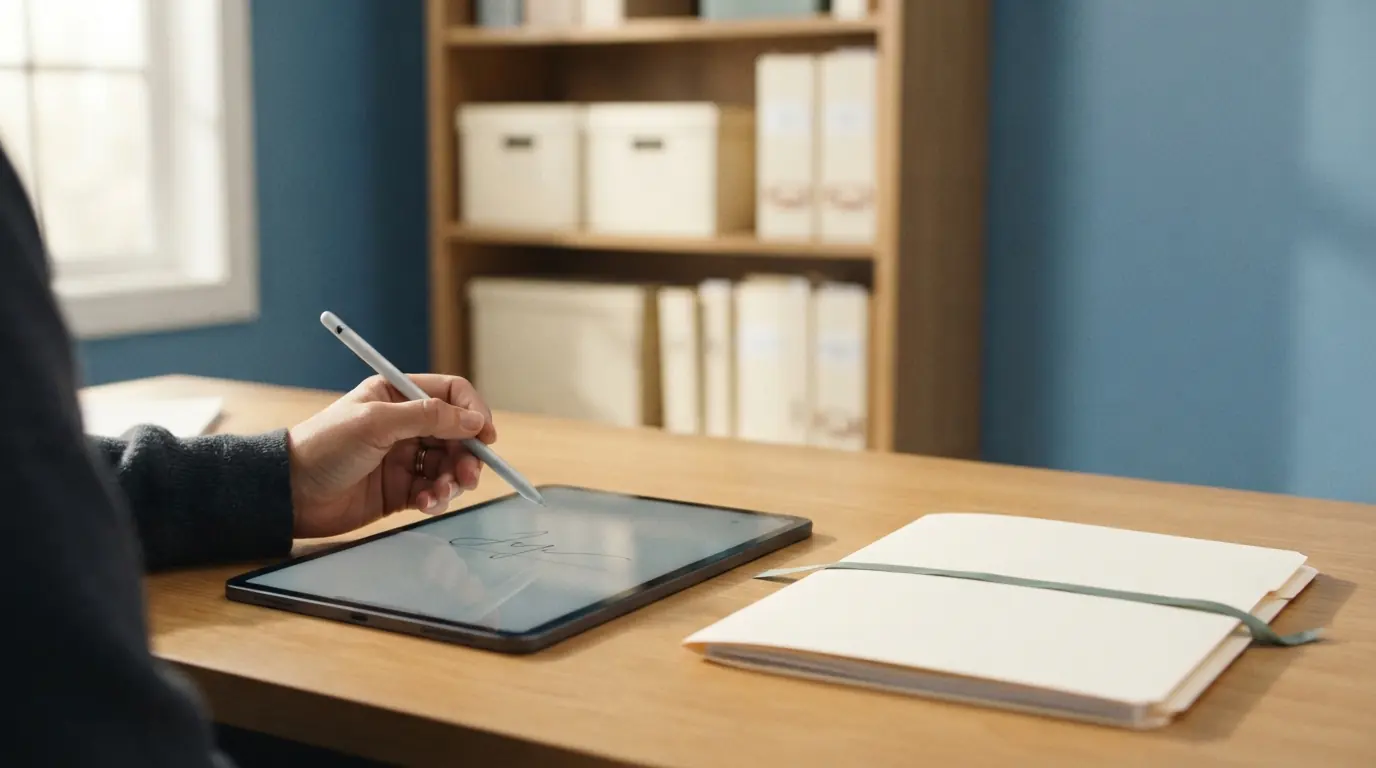
- Remote signing, so a direct cremation family signs the authorization without coming in.
- Online payment links, so paying does not require a visit.
- A fast, repeatable case path for high-volume cremation work.
- Clean records and follow-up, so merchandise and aftercare are not left on the table.
How FuneralHQ handles this
FuneralHQ is built so a lean case stays lean: remote signature packets, online card and ACH payments, and a fast case path mean a direct cremation does not cost you an hour of admin. The same record keeps merchandise, documents, and follow-up together, so higher volume does not mean messier books or missed aftercare.
The FuneralHQ advantage
Connect the funeral case while specialist operations stay explicit
FuneralHQ connects preneed, at-need case work, documents, payments, and QuickBooks Online. Cemetery mapping and scan-based custody are treated as specialist requirements and never presented as live when they are not.
The walkthrough separates what ships today from what is in development, then tests FuneralHQ against one of your real workflows.
Challenge us with your workflowAbout the FuneralHQ Editorial Team
This guide was written by the FuneralHQ Editorial Team, the in-house team behind funeral home software used by independent firms to run cases, documents, payments, and QuickBooks sync in one record. Our editorial standards explain how we review product claims, outside sources, automation, updates, and corrections.