
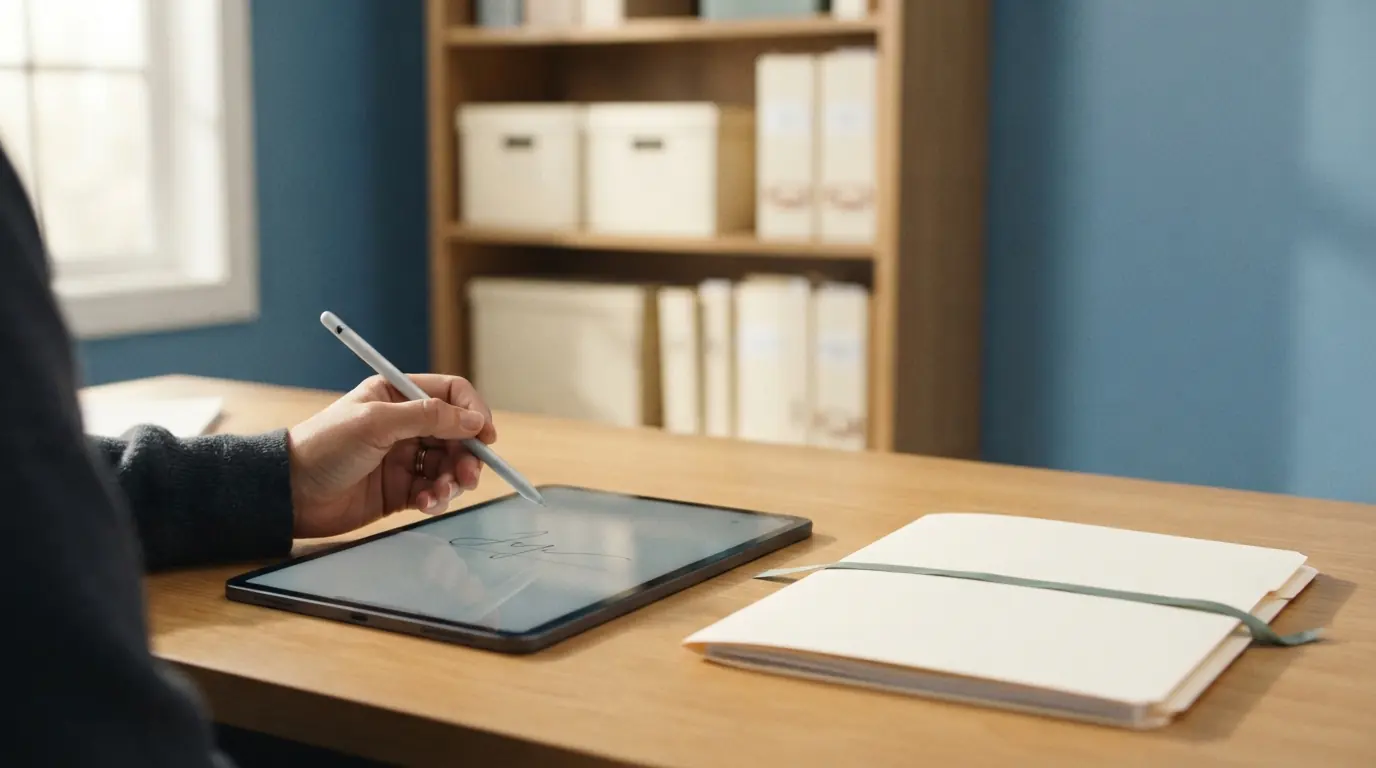
Direct cremation is a distinct business inside deathcare: high volume, low touch, price-sensitive, and frequently handled entirely online from first contact to the return of ashes. The family may never visit, and the margin on each case is thin. Software that fits a traditional full-service firm often does not fit this, because it assumes in-person steps and a heavier case. Direct cremation needs a workflow built for remote, fast, repeatable cases.
What direct cremation software has to do
- Capture intake online, quickly, without a back-and-forth.
- Send cremation authorization for remote signing on any device.
- Take payment by link, since the family will not come in.
- Run a fast, repeatable case path at high volume.
- Keep clean records and return-of-ashes tracking.
Why a full-service tool often does not fit
| Full-service assumption | Direct cremation reality |
|---|---|
| Family visits to arrange | Family handles everything remotely |
| Heavier, longer case | Fast, repeatable, low-touch case |
| In-person signing | Remote authorization required |
| Higher margin per case | Thin margin, volume-driven |
Volume makes the small things matter
At direct cremation volume, a few minutes of friction per case becomes hours across a month, and a thin margin cannot absorb it. The workflow details, how fast intake is, whether authorization is truly remote, whether payment is one tap, decide whether the model is profitable. Software that nails those details is the difference.
What to ask software vendors
- Is the case path fully remote, from intake to ashes return?
- Can families authorize and pay without coming in?
- How fast and repeatable is a single case?
- Do records stay clean and reportable at high volume?
How FuneralHQ handles this
FuneralHQ supports a fully remote case path, online intake, remote authorization, online payment, and a fast case flow, so direct cremation providers can run high volume at low touch with clean records. See it for cremation-focused firms.
Related resources
Read cremation-focused software workflows and how cremation growth changes operations.
The FuneralHQ advantage
Connect the funeral case while specialist operations stay explicit
FuneralHQ connects preneed, at-need case work, documents, payments, and QuickBooks Online. Cemetery mapping and scan-based custody are treated as specialist requirements and never presented as live when they are not.
The walkthrough separates what ships today from what is in development, then tests FuneralHQ against one of your real workflows.
Challenge us with your workflowAbout the FuneralHQ Editorial Team
This guide was written by the FuneralHQ Editorial Team, the in-house team behind funeral home software used by independent firms to run cases, documents, payments, and QuickBooks sync in one record. Our editorial standards explain how we review product claims, outside sources, automation, updates, and corrections.